The Camp That Didn’t Quit
The year was 1978: a loaf of bread cost 33 cents, a gallon of gas 62 cents, the average home $48,000. And nestled in the piney woods of East Texas, a summer camp was selling for $450,000.
W. C. Jones, then-president of the Southwest Region Conference, worked tirelessly to find a way to purchase the camp from the Texas Conference. Money trickled in. Then a large sum from an estate plan sealed the deal.
“Our promise is to keep the doors of Lone Star Camp [open] to all groups of the Southwestern Union,” Jones wrote in the September 21, 1978 Record.
But by 2012, the camp was in decline and in danger of being closed.
The Call
Bob Allen wanted more. Not more money. No, his construction businesses provided his family with a comfortable life. What Bob wanted was more time to serve the Lord.
He served as a deacon and mowed the church lawn, but his long work hours kept him from serving as fully as he desired. So he started praying, “God, I want to work more for You.”
Then came an unexpected phone call. “Are you interested in a job?”
The call was right, but the timing felt wrong. Allen’s wife, Kristina, was finishing a nursing degree. Moving would be complicated. He could not accept.
Time passed. Kristina finished her studies. Allen wondered if the position was still open. “Certainly, they’ve found someone by now,” he commented.
That very day, Allen received another phone call letting him know the camp was still looking into hiring two people. This time, Allen submitted his resume.
Though Allen hadn’t attended summer camp growing up, his childhood experience provided him with the skill conference leaders were looking for.
From the age of 10 Allen had worked construction with his father.
“If I wasn’t in school, I was at work,” Allen said. These early experiences taught him a work ethic that would prepare him for his next challenge.
The Work Begins
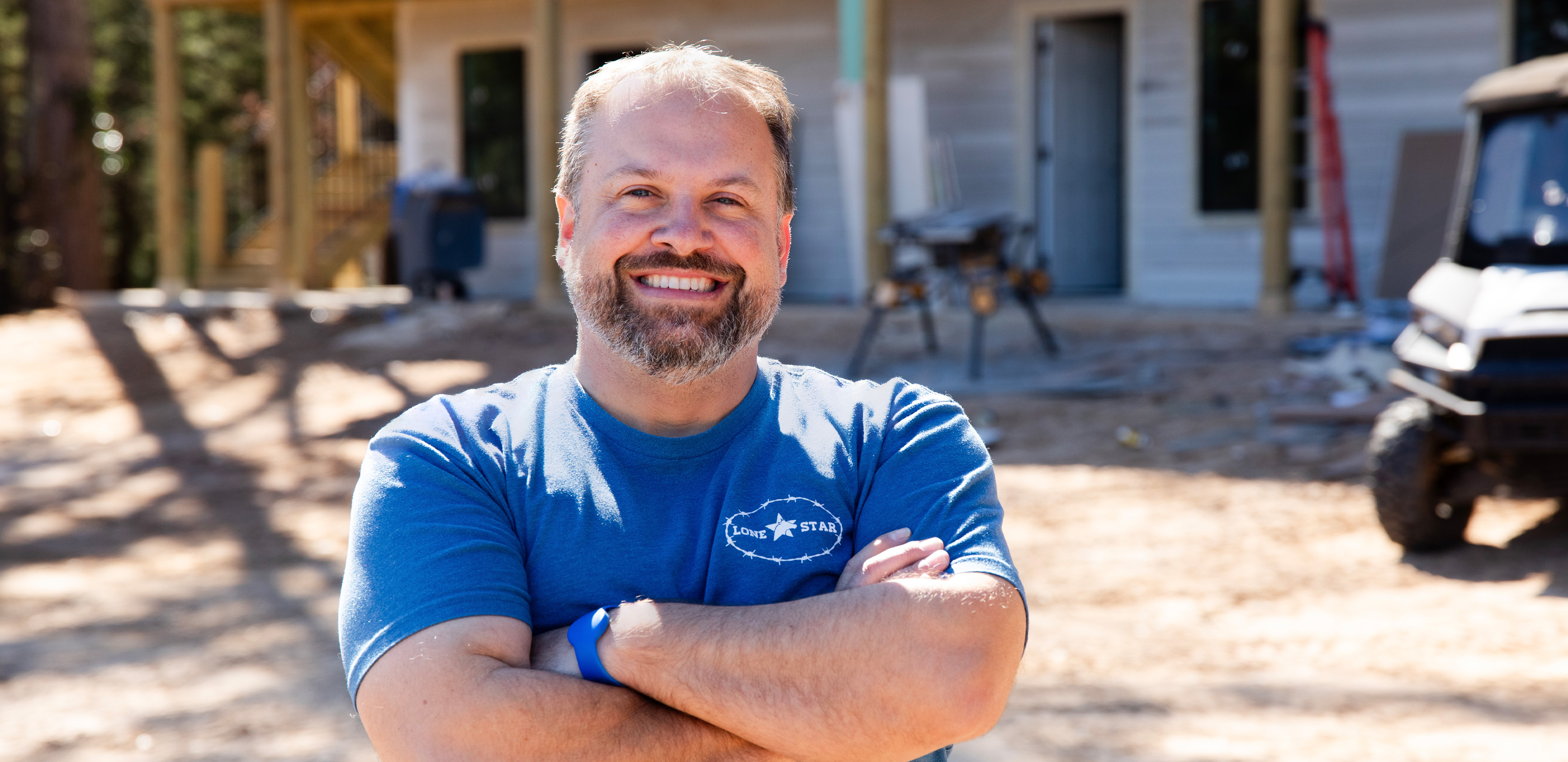
Allen began as assistant camp manager alongside newly appointed camp manager Hector Perez.
Before Allen and Perez arrived, the water and septic systems had fallen out of compliance, and years’ worth of fines had accumulated. The camp was at risk of being shut down. Shortly after Allen came on board, state regulators scheduled an inspection.
The inspector wasn't pleased when she arrived. “I’m so happy you’re here because I’ve done as much as I can,” Allen greeted her. Her attitude toward the camp began to change. In the end, she was so happy with the work the camp had done that she petitioned for the removal of all outstanding fines.
With the most critical systems addressed, attention shifted to what could be improved on a small budget. That's when Allen learned about World Vision. A World Vision staff member had been bringing inner-city children to Lone Star for years. As Allen talked with the staff member, he learned that World Vision received large quantities of surplus building materials from retailers like Home Depot and Lowe’s. Much of it was routed to disaster response, but camps qualified as well.
When materials became available, Allen drove to pick them up. Pallets of tile, siding and shingles made their way back to East Texas. At a time when the camp’s budget left little room for new construction, these materials helped projects moved forward.
Stepping In
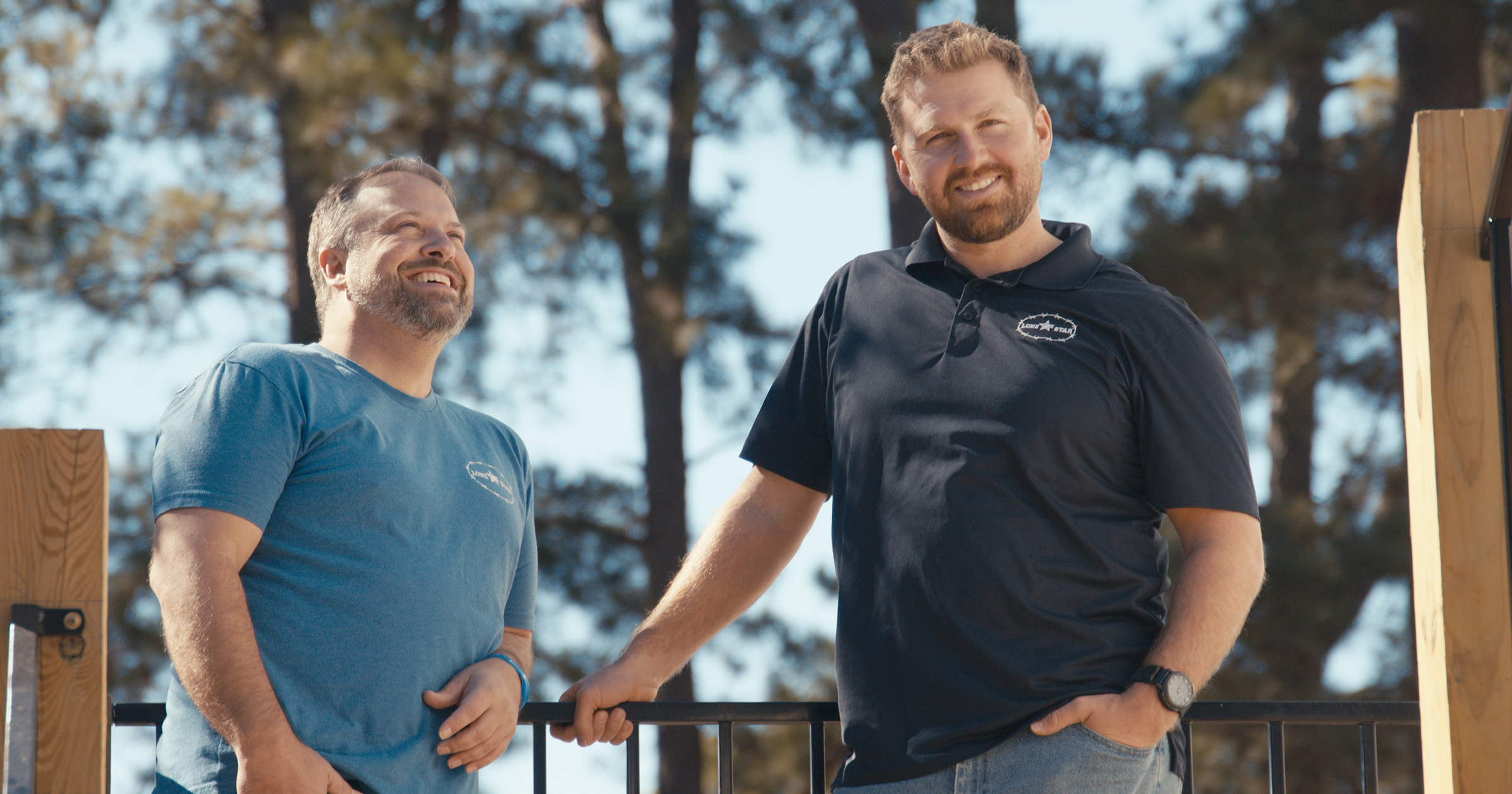
When Perez moved on, Allen became camp manager. It was during this transition that Gary Blanchard first entered the conversation.
Blanchard already understood camp life. His first summer at camp, he says, was at 6 months old. Camp was part of the rhythm of his childhood. He attended Camp Cherokee in New York and later Lake Whitney Ranch in Texas. As a young adult, he spent five summers on staff at Camp Lawroweld in Maine, working waterfront, caring for horses and eventually serving as program director.
But when Blanchard was invited to join the staff at Lone Star, the timing wasn't right. His wife was in school.
“We’re stuck here for the next three to four years,” he told Allen.
Two years later, Blanchard received another phone call. “Would you guys be interested once your wife graduates?” Allen asked.
“Sign me up!” Blanchard exclaimed.
Before taking the position, Blanchard spent a couple months working at the camp as a contractor, learning just how much work was involved.
“It was a lot of work,” Blanchard commented. “It was a lot of hours. And I absolutely loved it!”
Growth Without Debt
The scale of projects began to change. A 60-room lodge—complete with cafeteria—was proposed, a project estimated to cost between $6 and $10 million. The vision was appealing, but the price tag wasn’t.
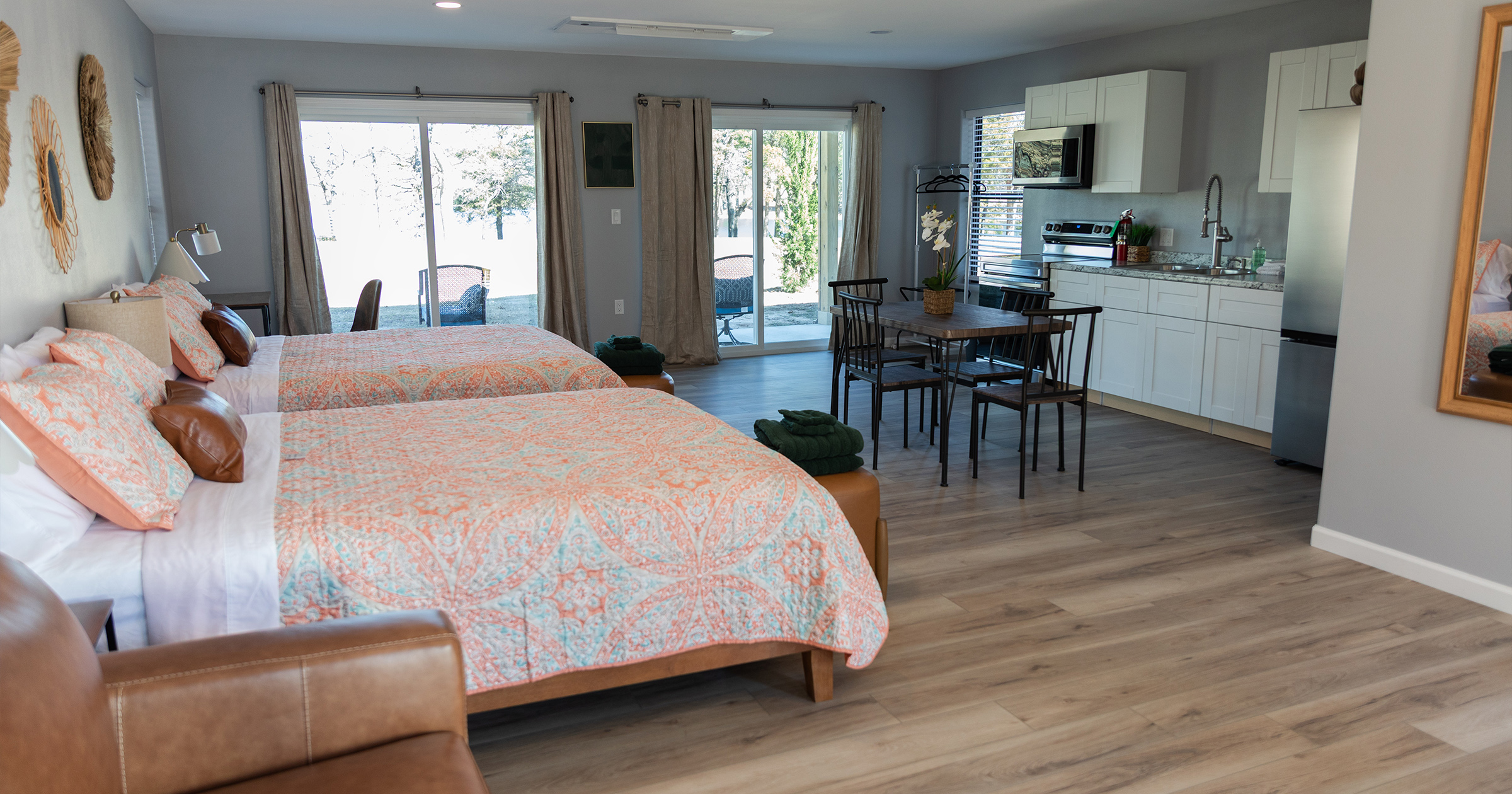
Instead, Allen proposed a different approach: smaller lodges, built one at a time, each fully paid for before construction began. The design focused on comfort without excess—private rooms, modern amenities and views that emphasized the surrounding landscape. This approach has produced 50 rooms for a fraction of the cost of a single large lodge, allowing growth without debt.
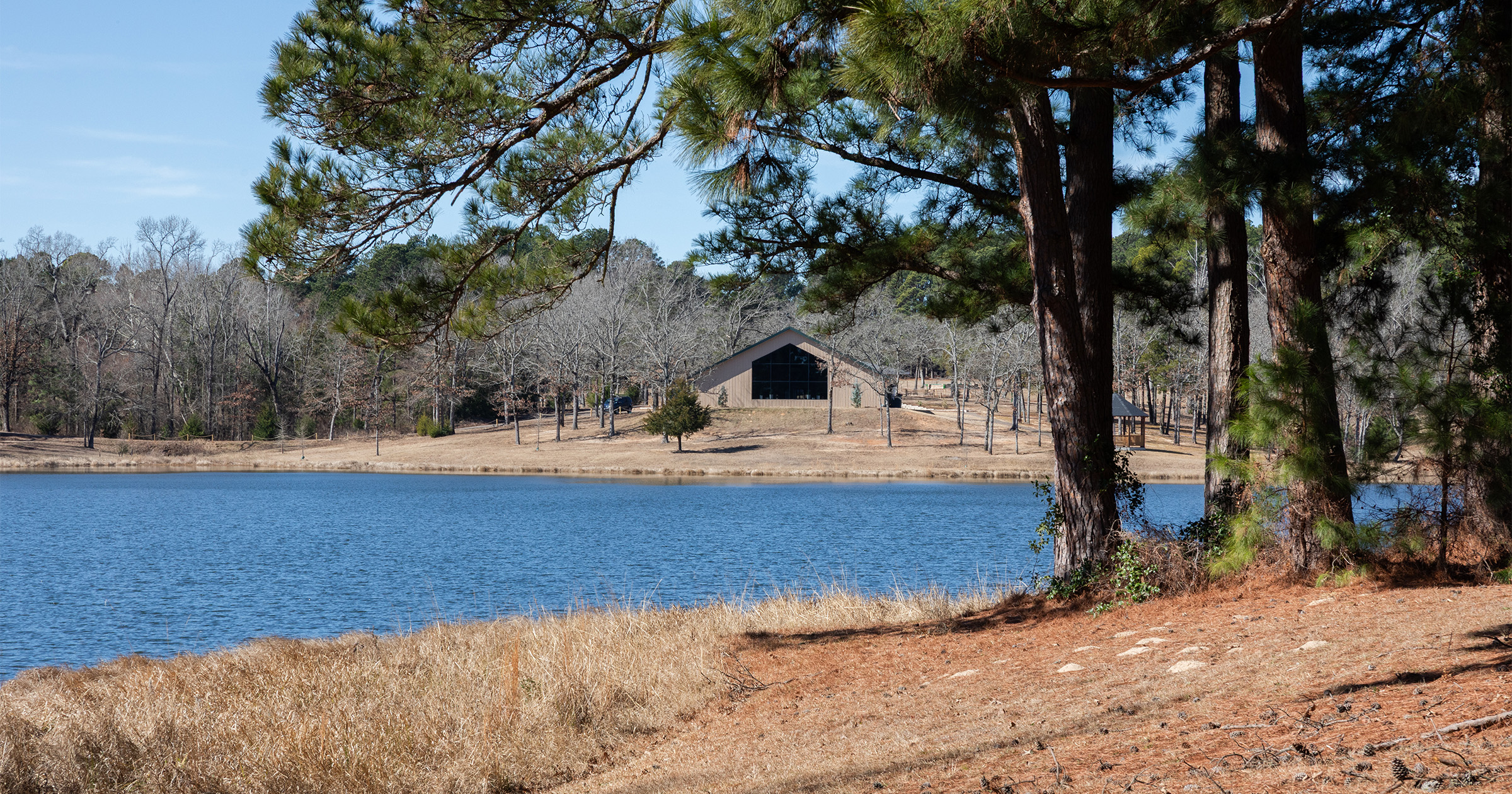
As housing expanded, meeting space followed. The chapel became one of the most carefully considered projects. Allen repeatedly staked out the footprint, adjusting the orientation to ensure the view through the windows framed the lake just right. The final design included expansive glass, intentionally drawing eyes outward.
“A chapel,” Allen explained, “should point you back to creation.”
Recent years have brought a different pace. Projects overlap. Lodges continue to be added. Outdoor spaces—amphitheater seating, fire pits, hexagon gathering areas—transform underused areas. Attractions provide outdoor enjoyment: a splash pad, rock walls, extreme air jumpers and an archery center that doubles as a pavilion.
The result is a camp that rarely slows down. Groups book a year in advance. Others are turned away simply because there is no space left. What was once a facility used only a few months a year now operates year-round. Increasingly, the camp is able to host more than one group at a time.
The work is never finished. It's no longer about survival. It's about stewardship, ensuring the camp can serve as many ministries as possible.
The Impact
The impact of the work is seen not only in the increased number of visitors but in the lives that are changed.
Allen remembers one camper who nearly wasn’t accepted. The boy had some challenges, and once camp began, he kept his distance, appearing guarded and closed off.
When the boy would call out to Allen, the instinct was to keep moving. There was always something else that needed attention. But instead of ignoring him, Allen answered back. After a while, the boy started talking.
That’s when Allen told him what he often tells kids who arrive with their guard up. “Camp is a special place,” Allen said. “This is a safe place. Here you can be as happy as you want, and you don’t have to look tough.”
The change was steady and unmistakable. The boy relaxed. The walls came down. Watching that progression, Allen said, was amazing.
Moments like that are not exceptions—they are the point. “Every interaction we have,” Allen said, “could be a game-changer.”
Nearly five decades after W. C. Jones worked to secure the property, Lone Star Camp is flourishing. Its survival has depended not on a single moment, but on persistence—on ensuring that Lone Star remained a place where ministry could still happen, year after year, camper after camper.
The camp didn’t quit.
By Lori Futcher. Futcher is the Record editor and associate communication director at the Southwestern Union. Bob Allen and Gary Blanchard work for the Southwest Region Conference.