Students Discover Catalina Island Marine Life
Touching sharks, snorkeling with stingrays, watching bioluminescence glow beneath the water, and kayaking through kelp forests were among the experiences El Paso Adventist Academy students enjoyed during the school's first biennial high school science trip to Catalina Island, Calif.
On March 15, 13 students and four chaperones left El Paso for Garden Grove, Calif., where they spent the night before continuing to Long Beach. From there, they boarded a ferry to Catalina Island, arriving at Fox Landing after a chilly two-hour crossing. There, students spent three days at one of the Catalina Island Marine Institute's two outdoor science campuses located on Catalina Island.
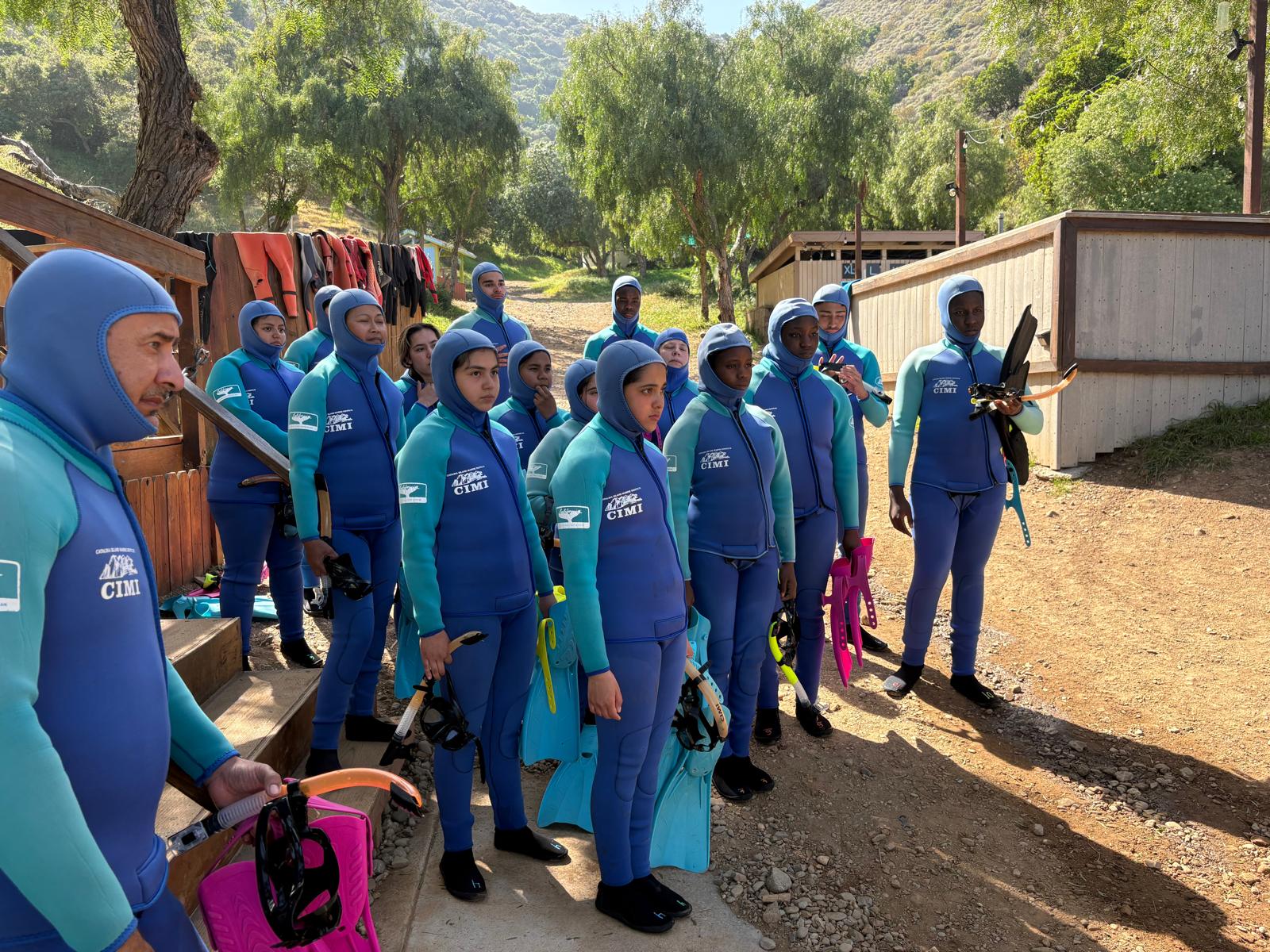
Through hands-on activities coordinated by staff who all have at least a bachelor’s degree in a biological science, students encountered animals they normally would never see. While snorkeling, they touched a large sheep crab and a sea hare that their program coordinator brought to the surface. They also saw multiple species of fish as well as a stingray and a small shark. Night snorkeling enabled the students to view bioluminescence caused by dinoflagellates.
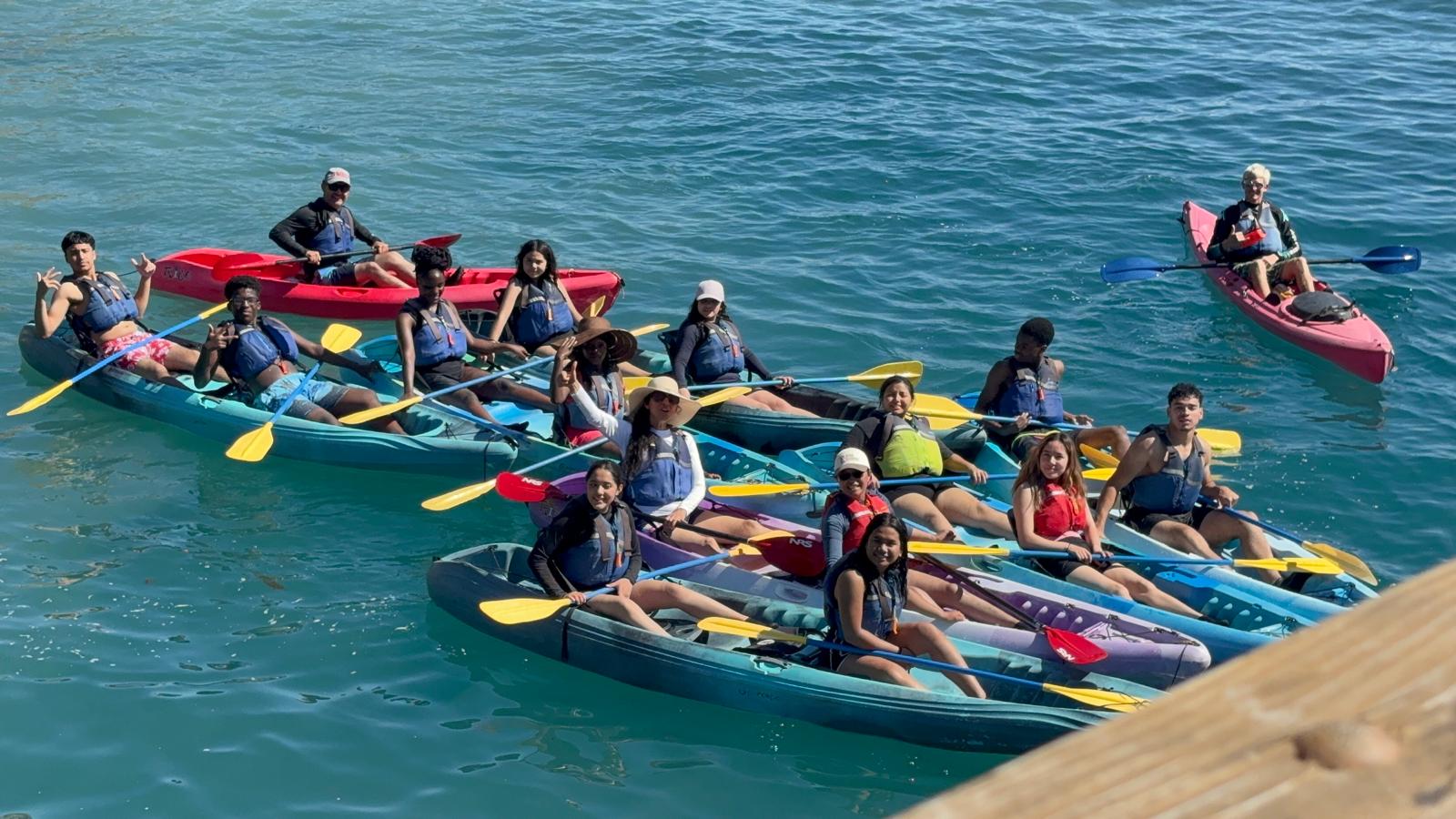
While ocean kayaking, students learned about kelp forests, held brittle stars and tiny crabs, and watched dolphins playing in the distance.
Hiking up a steep path, students viewed the ocean and surrounding area from a tall peak. Some students braved the high swing that pulled them high into the air before releasing them.
Students also dissected squid and interacted with various creatures in the institute’s invertebrate, shark, and kelp labs.
In addition to science, the students acquired new skills and learned about leadership, camaraderie, teamwork, and how to be brave in new situations. The program coordinator pushed boundaries with various challenges during the activities.
Fox Landing was a beautiful oasis. There were plenty of activities the students could participate in while not in class, including volleyball and Gaga ball. During their stay on the island, students were blessed with cabins right at the water's edge and fell asleep every night to the soothing sounds of the ocean lapping against the shore.
When discussing this experience with the students, many said they enjoyed snorkeling and kayaking, which were new experiences for most of them. They were surprised to learn how many products contained kelp and loved observing and touching the kelp and various organisms. They also learned how all organisms are interconnected and how the ocean is vital to life, providing oxygen, climate control, and food.
“Stepping beyond the desert and into the vastness of the ocean, our students didn’t just witness a new environment—they discovered new perspectives,” says Principal Ruth Elizalde. “The Catalina Island experience opened their eyes to the beauty of God’s creation, deepened their appreciation for the world beyond their own, and reminded them that growth happens when we step into new challenging experiences.”
By Irish Pugao